
Analyzing the Manga Art Style
Manga is instantly recognisable: characters with oversized eyes, simplified noses and dramatic hair populate pages arranged in unique sequences. Yet the “manga style” is more than a collection of stereotypes. It is a visual language with its own history, conventions and grammar.
Historical Influences
Modern manga owes much to animator and comic artist Osamu Tezuka. In the 1950s he produced the series “Astro Boy,” which helped popularise many characteristics associated with manga today. Tezuka drew inspiration from American cartoons such as Betty Boop and Disney’s Bambi, which influenced his decision to give characters large, glistening eyes. This design choice allowed for heightened emotional expression and became a template for future artists.
Core Features of Manga Characters
A blog post from the art platform Domestika lists several traits common to manga characters: expressive eyes that powerfully convey emotion, slender silhouettes with body proportions of seven heads or more, very light skin tones, and the frequent appearance of Japanese school uniforms. Manga pages are read from right to left and often mix cartoonish characters with realistic settings. The variety of transitions between panels contributes to the dynamism of the storytelling.
Visual Language Grammar
Researcher Neil Cohn describes the “big eyes, small mouth” schema as a standard dialect of the Japanese Visual Language. His analysis emphasises that beyond obvious surface features, manga employs a set of graphic emblems and a grammar that governs the sequence of images. In other words, manga is not just a style but a visual language with its own syntax and vocabulary.
Drawing Analysis
Below are simplified diagrams created by our team to illustrate common construction techniques used in drawing manga‑style characters. These images are 100 % SFW and focus on proportions and guidelines rather than finished artwork.
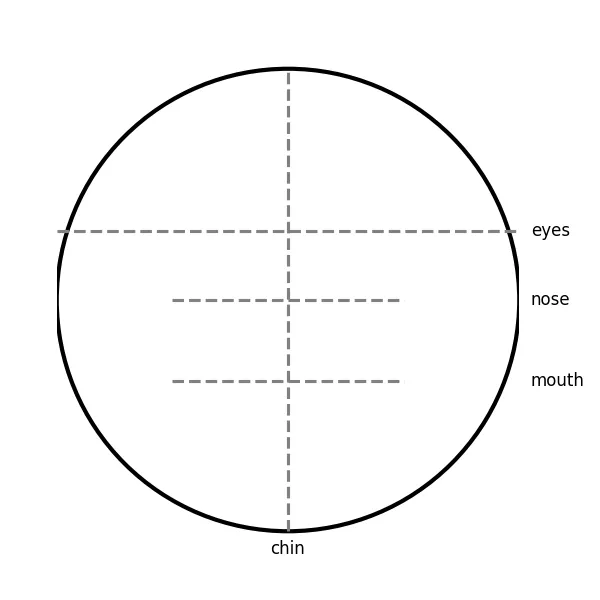
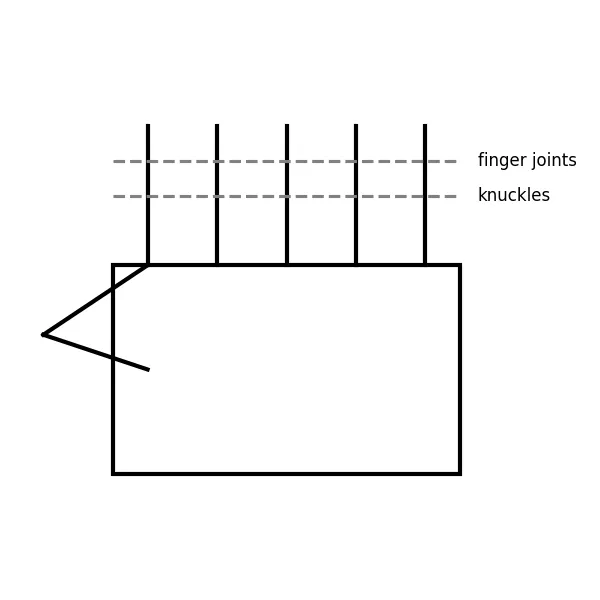
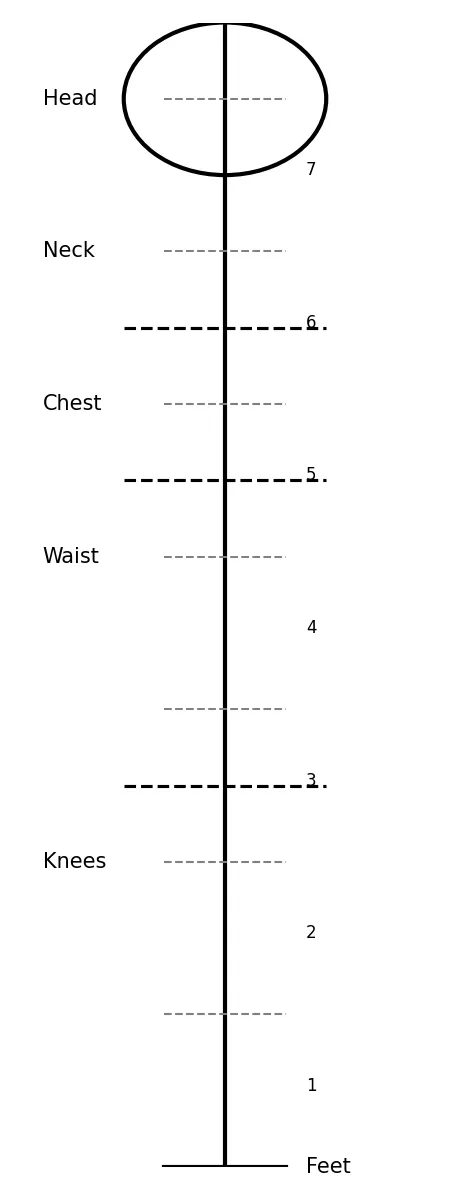
For step-by-step instructions on drawing your own characters, see our drawing tutorials. The grammar that organises these visual conventions on a page - the order in which panels are read, how speech bubbles work, and what to do with sound effects - is covered in how to read manga: panel order, direction, and sound effects. The sound side of that grammar gets a fuller treatment in manga onomatopoeia.